Introduction
A personal Edge AI assistant should not be a dead-end prototype. If designed correctly, it can scale in capability, coverage, and resilience without abandoning its core principles. This article outlines safe, incremental expansion paths that preserve ownership, privacy, and determinism while extending the system beyond a single device.
Scaling Philosophy
Expansion must be additive, not transformative. New capabilities are introduced as optional modules or nodes, never by altering core trust boundaries. The original single-owner, edge-first model remains intact at all scales.
Vertical Scaling
Vertical scaling improves what one device can do. Examples include:
– upgrading storage or cooling
– adding accelerators where available
– running additional local services
Vertical scaling is limited but simple. It preserves a single point of control and minimal network complexity.
Horizontal Scaling
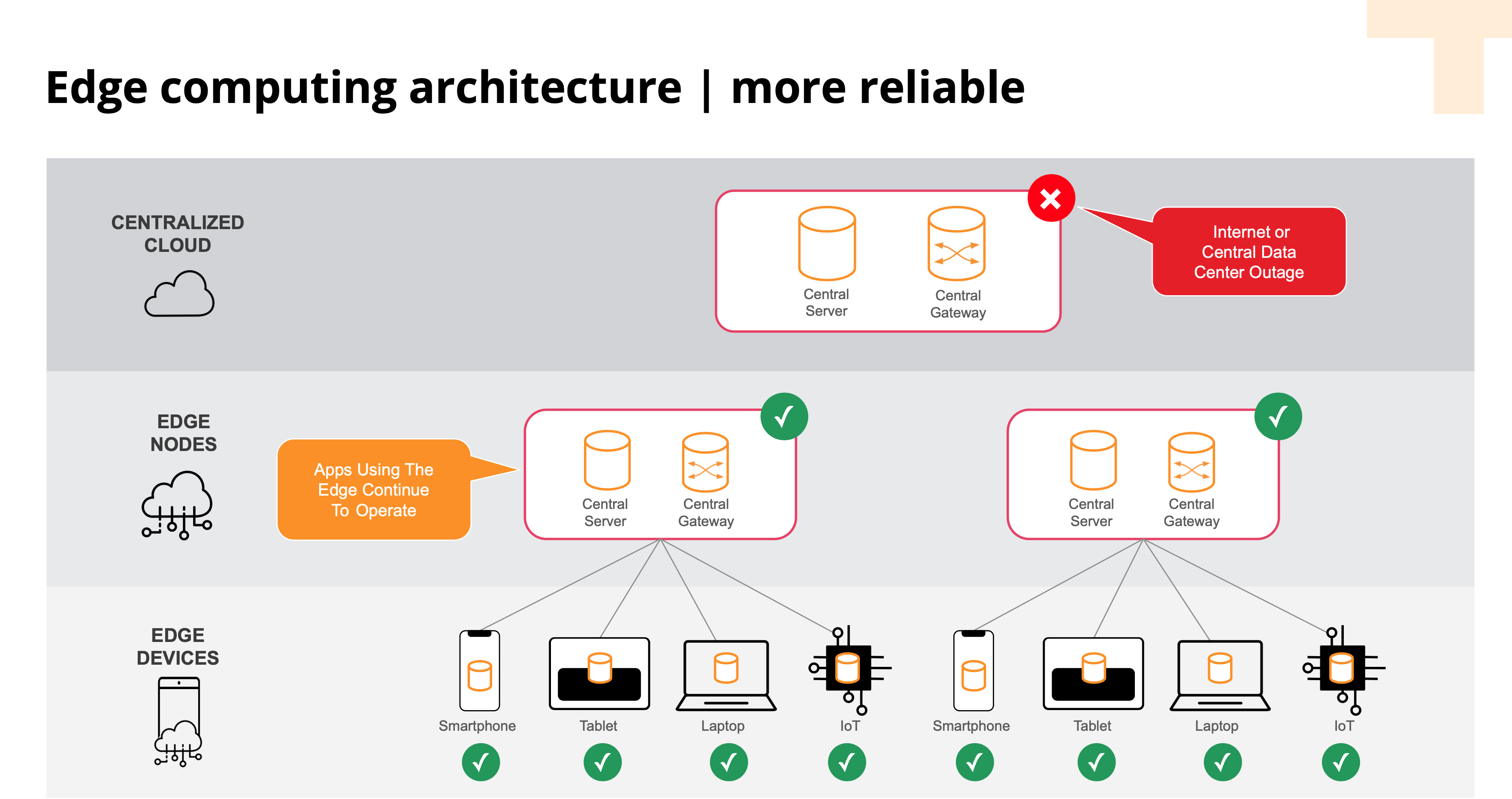
Horizontal scaling introduces additional edge nodes. These may include:
– secondary Raspberry Pi units in other rooms
– microcontrollers handling sensors or actuators
– dedicated vision or audio nodes
Each node performs narrow tasks and reports events upstream. Intelligence remains centralized or explicitly federated.
Edge Node Roles
Expanded systems benefit from role separation:
– Perception nodes (cameras, microphones)
– Knowledge nodes (retrieval, summarization)
– Automation nodes (actuators, services)
Nodes communicate through authenticated, minimal protocols. No node shares raw data unnecessarily.
Federated Identity Model
Identity remains owner-centric across nodes. Recognition may occur locally, but identity resolution rules are shared from the primary node. No node independently enrolls identities or modifies scenarios. Federation does not imply autonomy.
Distributed Scenarios
Scenarios may trigger actions on remote nodes but are still defined centrally. Remote execution is treated as a delegated action with strict permissions and timeouts. Loss of connectivity results in graceful degradation, not autonomous behavior.
Resilience and Fault Isolation
Multiple nodes increase resilience if designed correctly. Failure of one node must not cascade. Each node should fail silently or report errors without blocking the system. Redundancy is preferred over complexity.
Local Models and On-Device Intelligence
Future expansion may include local language or vision models running entirely offline. Quantized or specialized models can replace external APIs selectively. The system should allow coexistence of multiple inference backends.
Energy and Sustainability
As systems grow, energy use matters. Nodes should idle efficiently and wake only on relevant events. Low-power devices handle continuous sensing; higher-power nodes activate on demand.
Maintenance and Upgrades
Expansion increases maintenance cost. Clear versioning, configuration management, and documentation are essential. Every node must be recoverable independently. Backups and restore procedures should be tested regularly.
Avoiding the “Smart Home Trap”
Scaling should not turn the assistant into a generic smart home controller. The assistant remains identity- and context-driven, not rule-spaghetti automation. If expansion adds complexity without clarity, it is a regression.
Long-Term Vision
At full maturity, the system becomes a personal edge ecosystem: multiple nodes, unified identity, controlled intelligence, and predictable behavior. Crucially, it remains understandable by its owner.
Series Conclusion
This series demonstrated how to design a personal Edge AI assistant from first principles: perception without surveillance, identity without profiling, conversation without autonomy, automation without loss of control, and expansion without compromise. The result is not a product but a framework—one that any motivated enthusiast can build, inspect, and evolve at home.